
This post was written by our partner Social Cascade and originally appeared on their blog. It is republished here as part of our partnership.
A phone can seem like a simple way to reach your child after practice. But for many parents, it quickly leads to bigger questions about social media, sleep, apps, privacy, and how much independence is right for their child.
Parents and caregivers are often looking for answers to questions like:
That’s why we’re proud to spotlight our content partner Screen Sanity.
Screen Sanity is a nonprofit helping parents and communities navigate a changing digital world with practical, judgment-free support. That feels especially relevant now, as families are sorting through questions about AI, online safety, and the everyday role technology plays at home.
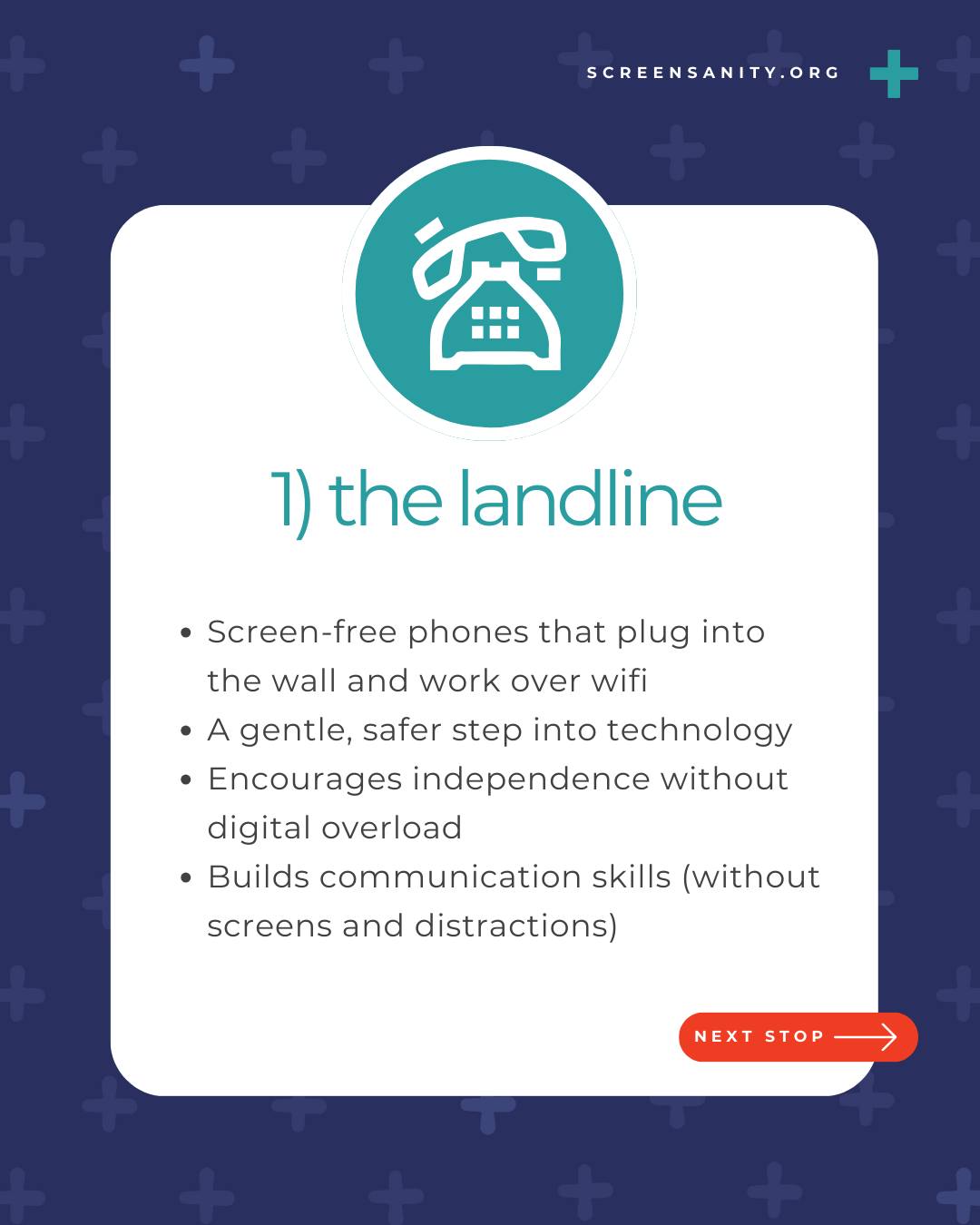
One current example is Project Landline. Screen Sanity partnered with a Kansas City-based school to pair kid-friendly home phones with parent education and training, giving children a way to stay connected while delaying smartphones and social media. The project was recently featured in The Wall Street Journal’s reporting on the return of landlines for kids. Screen Sanity is also building for what comes next. The organization recently shared that a Young Futures grant will add an AI component to programming for parents, teachers, and community leaders.
Some of Screen Sanity’s helpful resources include:
Through Social Cascade, healthcare providers can share this guidance with patients and families when technology questions come up. This process is streamlined and designed for healthcare communicators: requiring no manual posting or creating content from scratch.
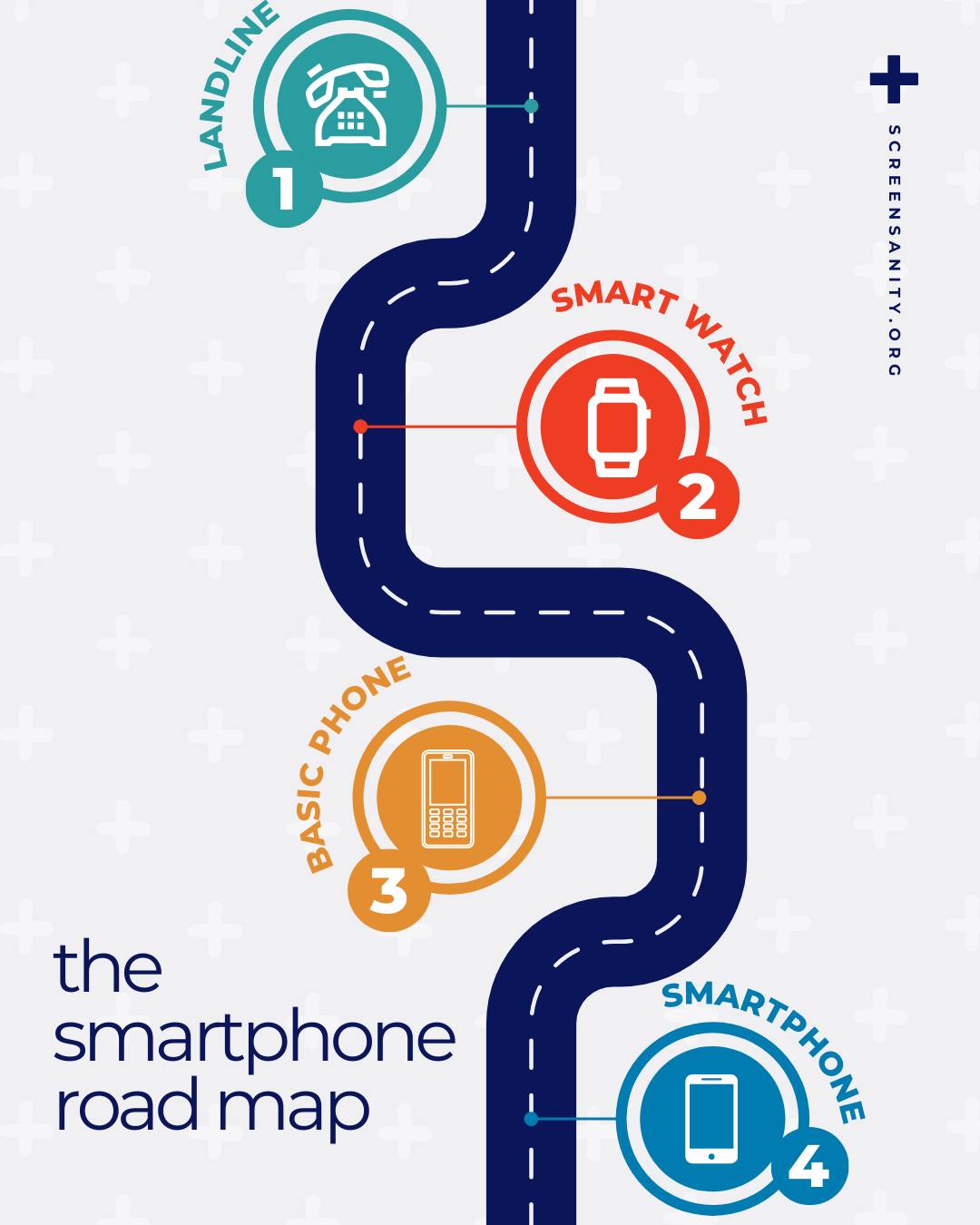
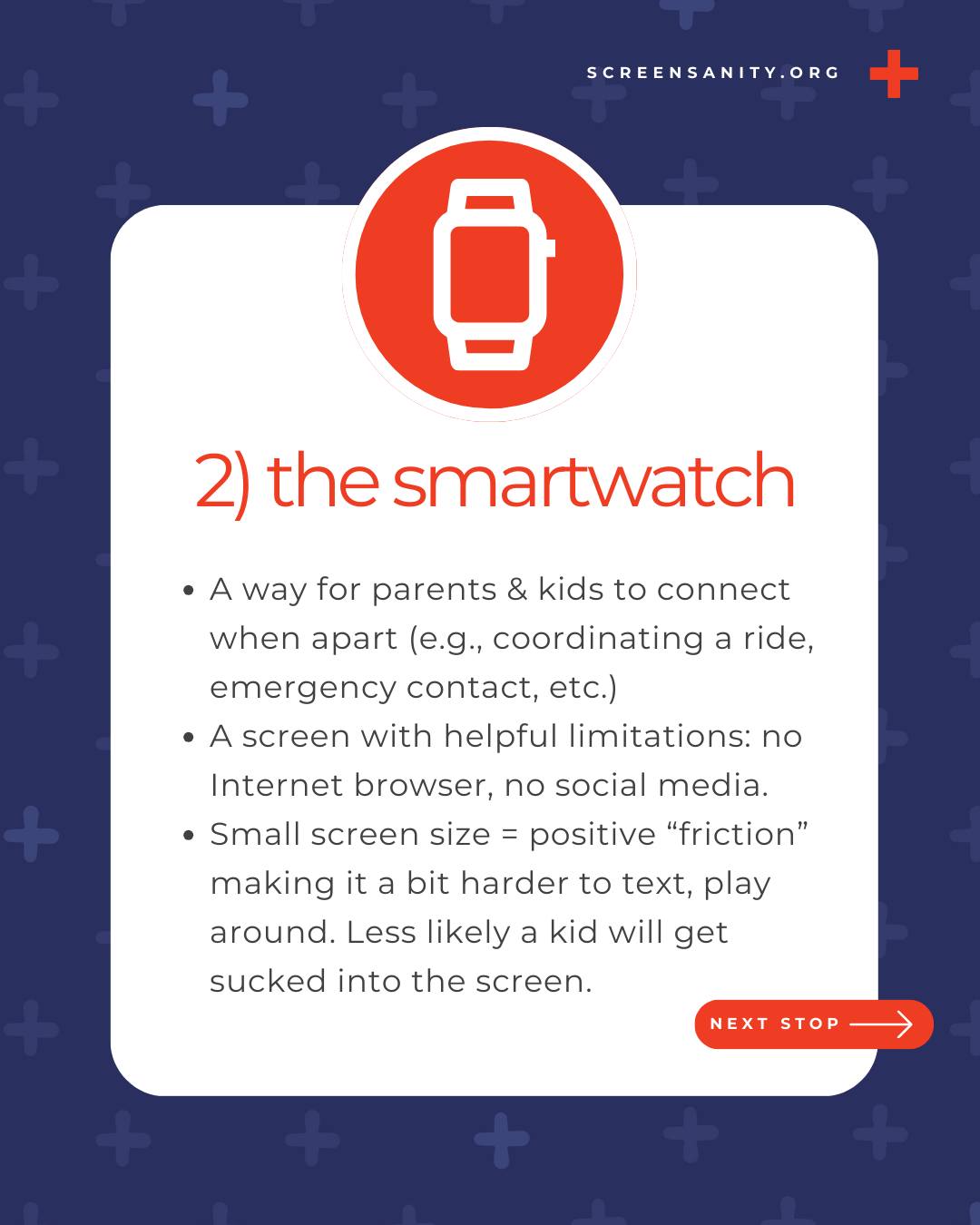
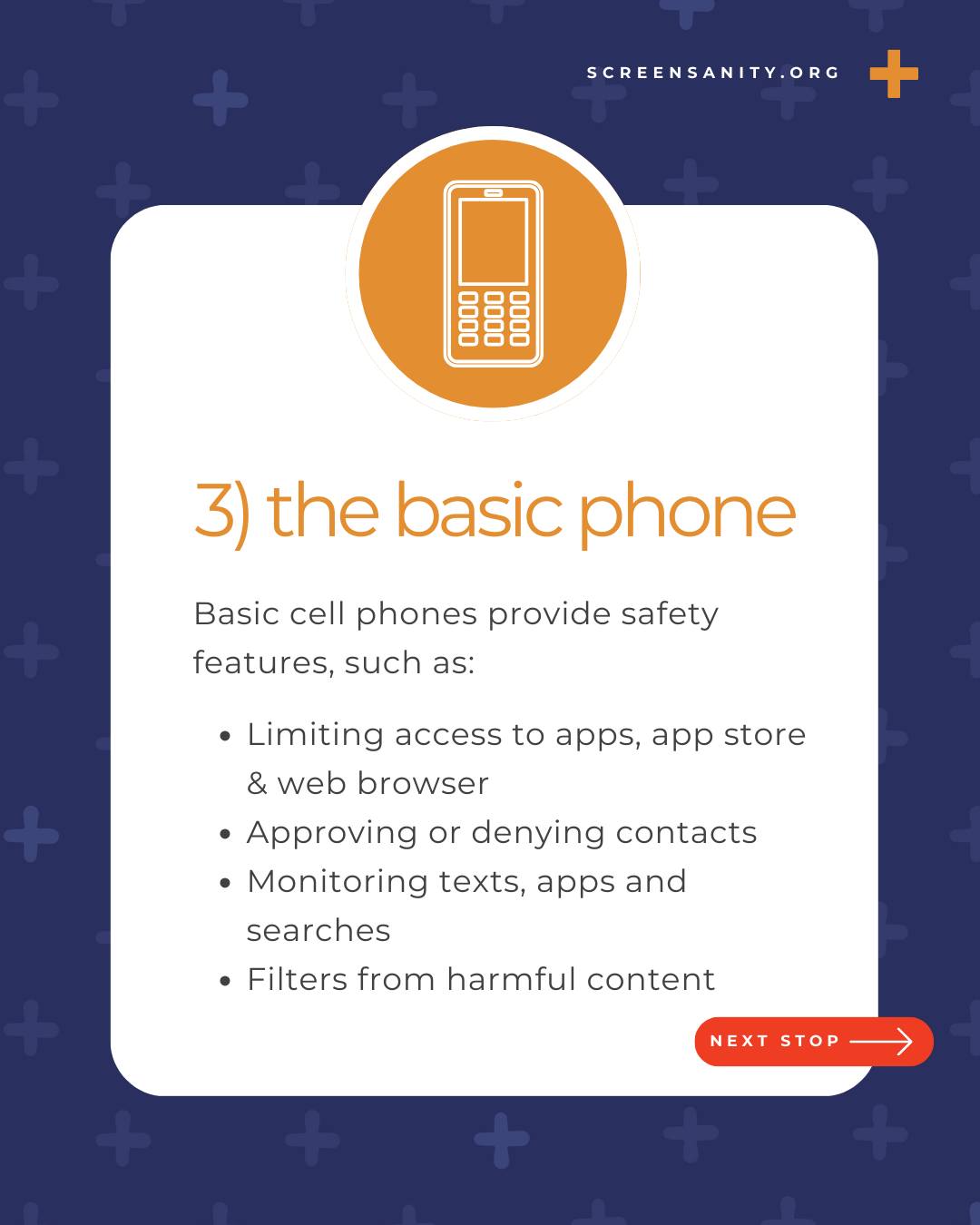
A few examples available in our platform include:
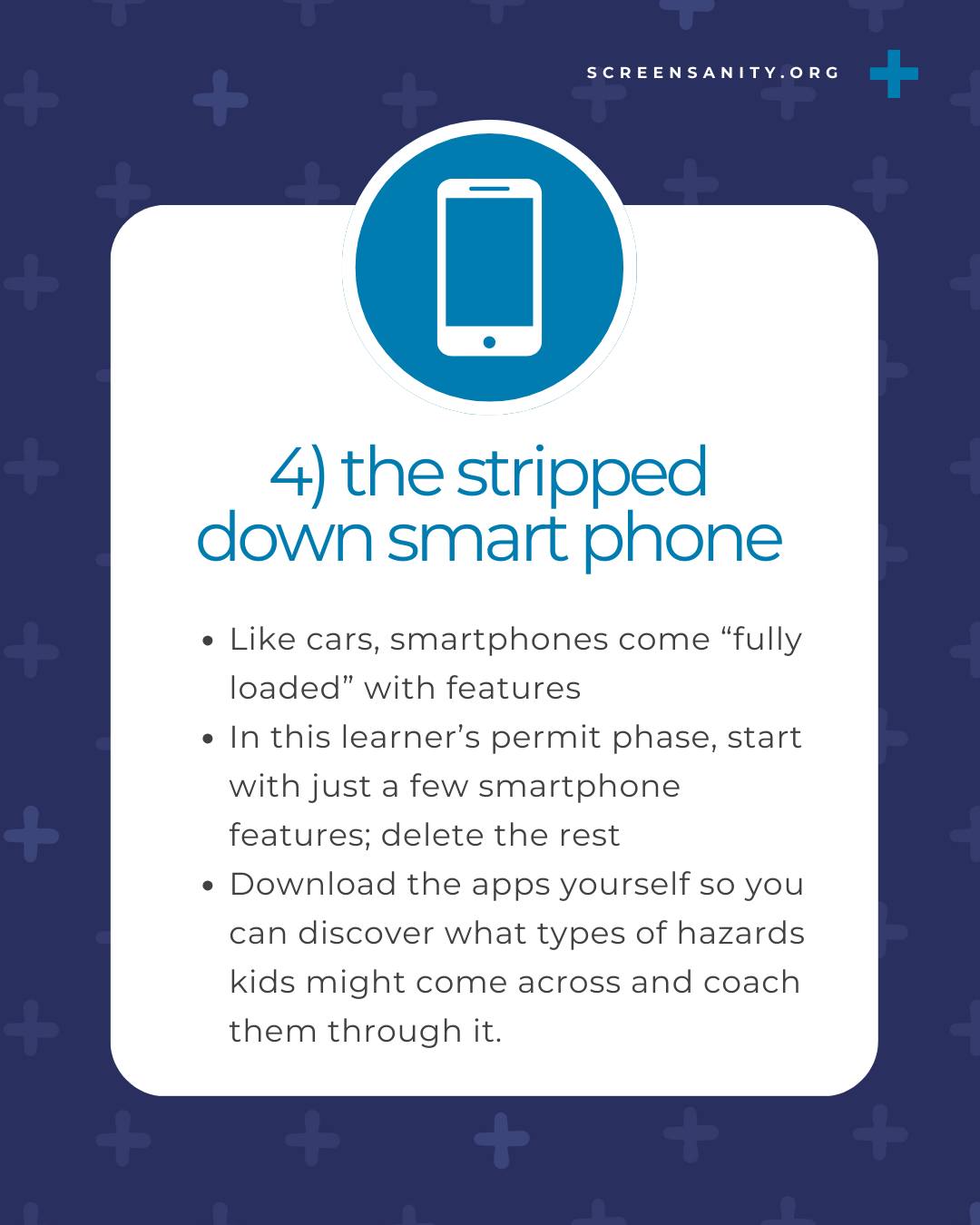
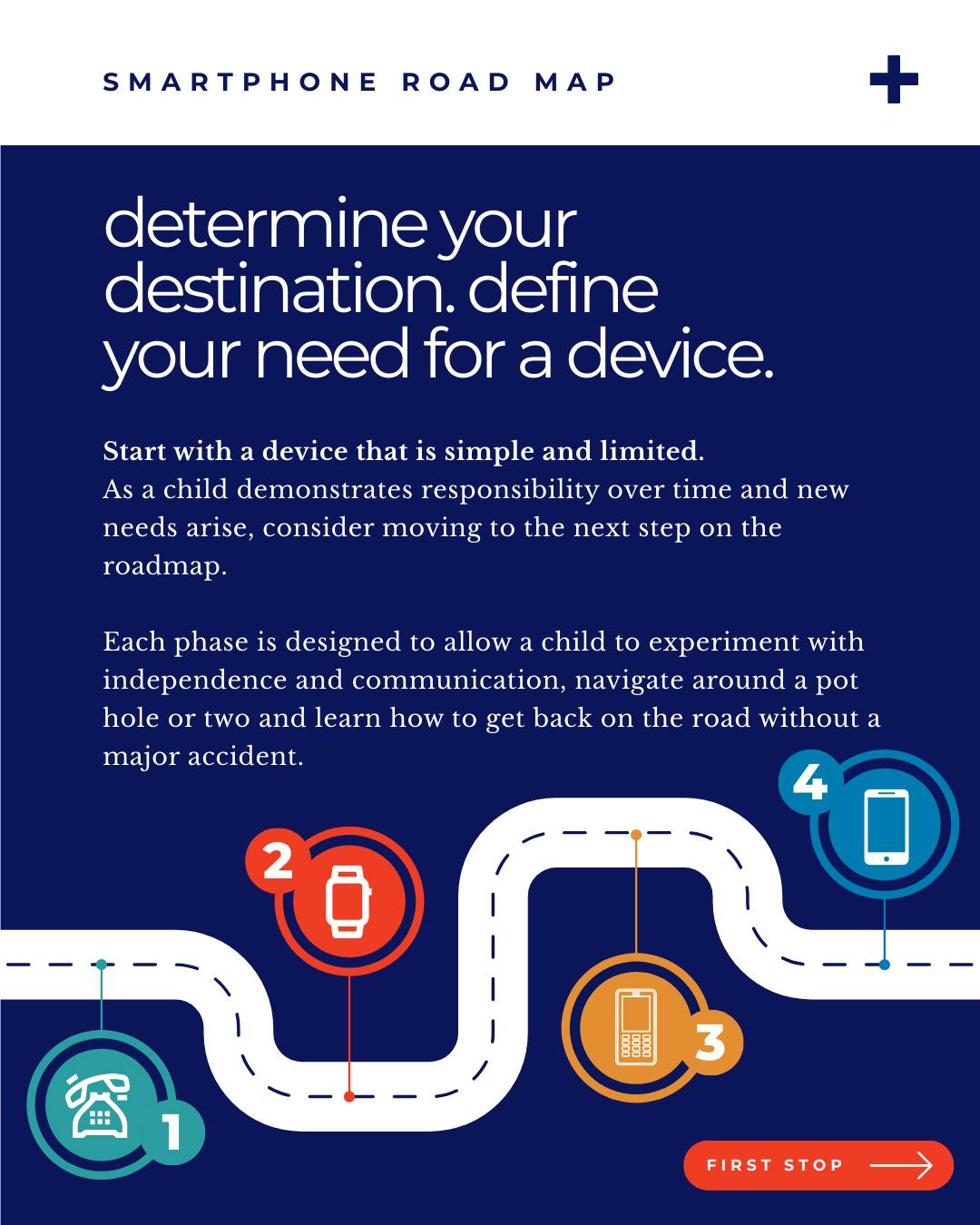
Screen Sanity is one of 300+ content partners in the Social Cascade network. Our platform helps healthcare providers share trusted health information with patients and communities in an easy, scalable way. To learn more, visit screensanity.org or start a free trial at socialcascade.co.